Residential electrical systems require consistent attention to maintain both safety and efficient performance. Aging components, outdated wiring, or improper installations can create hidden risks within walls. By regularly inspecting service panels, outlets, breakers, and load distribution, homeowners can detect early warning signs, prevent minor problems from escalating, and make informed decisions about when professional evaluation or repairs are necessary.
Structural Components of Residential Electrical Systems
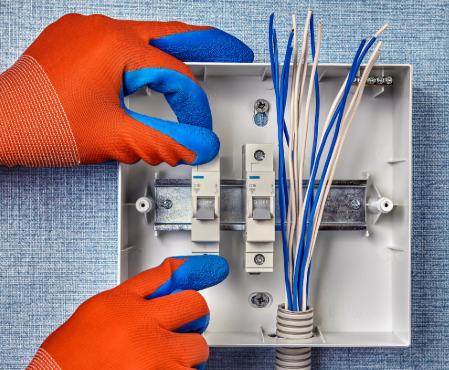
Modern residential properties rely on a sophisticated network of conductors and protective devices. The main service panel acts as the central distribution point, channeling electricity from the utility provider into individual branch circuits. According to the National Fire Protection Association, electrical failures or malfunctions are a leading cause of home fires in the United States. These systems operate on a balance of voltage, current, and resistance. When an imbalance occurs, the system utilizes circuit breakers to interrupt the flow of electricity, preventing wires from overheating. Homeowners who monitor the physical condition of their service panels can identify signs of oxidation or heat damage before a total system failure occurs.
The integration of smart technology into domestic environments has increased the total electrical load on older infrastructure. Homes built before the nineteen seventies often utilize panels with lower amperage ratings that struggle to support contemporary appliances. This discrepancy often results in frequent circuit interruptions. Evaluating the total demand of a household involves calculating the wattage of all connected devices against the capacity of the breakers. Professional evaluations of these load requirements help determine if the existing infrastructure remains adequate for the current usage patterns of the occupants.
Mechanics of Circuit Protection and Management
Circuit breakers are mechanical switches designed to trip when they detect an overload or a short circuit. An overload occurs when too many devices draw power from a single circuit, exceeding its rated capacity. A short circuit happens when a hot wire touches a neutral or ground wire, causing a sudden spike in current. While resetting a breaker is a standard task, a breaker that trips immediately after being reset indicates a persistent fault that requires technical diagnosis.
In certain scenarios, the breaker itself may reach the end of its functional life. Mechanical fatigue within the internal spring mechanism can cause a breaker to trip prematurely or fail to stay in the on position. Monitoring the temperature of the panel is an effective way to gauge health. If a specific breaker feels warm to the touch compared to its neighbors, it may be experiencing internal resistance. Documenting these occurrences helps electrical professionals locate the source of the heat, whether it resides in the breaker itself or a loose lug connection where the wire meets the bus bar.
Mitigation of Outlet Sparking and Heat Damage
Electrical outlets, or receptacles, are common points of failure due to mechanical wear from frequent plugging and unplugging. A small blue spark when a device is first connected is often a normal result of an electrical arc as the prongs make contact. However, persistent sparking or sparks that leave carbon deposits on the faceplate indicate a loose connection or damaged internal contact tension. When the internal metal tensioners within an outlet become loose, resistance increases, which generates heat.
Homeowners should inspect outlets for any signs of discoloration or deformation. Plastic faceplates that show melting or browning suggest that the terminal screws on the side of the outlet are not tightened sufficiently. This condition creates a high-resistance connection that can eventually lead to a fire. Replacing a worn outlet involves more than just swapping the hardware. It requires verifying that the wire ends are clean and that the insulation has not become brittle from previous heat exposure. Utilizing outlets with a tamper-resistant design provides an additional layer of protection against the insertion of foreign objects, which is a standard requirement in many modern building codes.
Ground Fault Protection Standards in Domestic Spaces
The Ground Fault Circuit Interrupter, commonly known as a GFCI, is a specialized safety device that monitors the balance of current between the hot and neutral wires. If the device detects a leakage of current as small as five milliamperes, it shuts off the power in a fraction of a second. This technology is essential in areas where moisture is present, such as kitchens, bathrooms, and laundry rooms. The Occupational Safety and Health Administration notes that these devices are highly effective at preventing severe electrical shocks.
Testing these outlets on a monthly basis ensures that the internal sensing circuitry remains functional. Pressing the test button should cause the reset button to pop out, indicating a successful interruption of the circuit. If the button fails to move, the device no longer provides ground fault protection and operates as a standard outlet. In some older homes, a single GFCI outlet is wired to protect several downstream outlets. Understanding the wiring sequence of a room is necessary for identifying why several outlets might lose power simultaneously. This configuration requires careful labeling of the load and line sides of the device to ensure that protection extends to the entire branch.
Safety Protocols for Ceiling Fan and Lighting Upgrades
Installing or replacing ceiling fans involves addressing both mechanical support and electrical connectivity. Because ceiling fans create constant vibration during operation, they require specialized junction boxes rated for fan support. Using a standard plastic lighting box for a fan can result in the box cracking over time, leading to the fixture falling. The electrical connections must be secured with appropriate wire connectors and often reinforced with electrical tape to prevent loosening from the rhythmic movement of the motor.
Lighting fixtures also have specific requirements regarding heat dissipation. Each fixture has a label indicating the maximum allowable wattage for the bulbs. Installing a bulb that exceeds this limit can cause the wiring insulation within the fixture to degrade or catch fire. During the replacement of older fixtures, it is common to find wires with frayed or cracked insulation. This is often the result of years of heat exposure from incandescent bulbs. Professionals often use heat-shrink tubing or replace a section of the wire to ensure the new fixture connects to a stable and safe conductor.
Infrastructure Evaluation and Aging Wiring Systems
Many residential properties in the United States still contain original wiring systems that may not align with modern safety standards. Aluminum wiring, which was common in the late nineteen sixties and early nineteen seventies, requires specific connectors because aluminum expands and contracts at a different rate than copper. If standard copper-only connectors are used on aluminum wires, the connections will eventually loosen, creating a significant fire risk. Recognizing the presence of aluminum wiring is a vital step for any property owner during a renovation.
Knob and tube wiring is another legacy system found in homes built before the nineteen forties. This system lacks a ground wire and utilizes air space for cooling. When modern insulation is added to an attic or wall containing knob and tube wiring, it traps heat and increases the risk of combustion. Evaluating the state of the home's wiring involves more than a visual check of the outlets. It requires an inspection of the crawl spaces and attic to ensure that the conductors remain in good physical condition and have not been damaged by rodents or environmental moisture.
Professional Standards in Electrical Remediation
Engaging with electrical services involves verifying that the work complies with the National Electrical Code. This set of standards is updated every three years to incorporate new safety findings and technological advancements. Licensed electricians provide a level of oversight that includes obtaining necessary permits and scheduling inspections with local building authorities. This process ensures that the work is documented and meets the legal requirements for property insurance and future real estate transactions.
Homeowners benefit from maintaining a record of all electrical modifications and repairs. This history provides future service providers with a roadmap of the system’s evolution. When a circuit panel is upgraded or a new dedicated circuit is added for a heavy appliance like an electric vehicle charger, the documentation serves as proof of compliance. Reliable services emphasize the importance of using certified components that carry a recognized testing laboratory seal. This ensures that the breakers, outlets, and wires have undergone rigorous testing for fire and shock resistance.
Conclusion and Future Readiness of Residential Power
Maintaining a safe electrical environment is an ongoing responsibility that involves both observation and professional maintenance. By recognizing the early warning signs of system stress—such as dimming lights, unusual sounds from the panel, or outlets that feel warm—homeowners can address issues before they become hazardous. While minor tasks like testing a GFCI or resetting a breaker are manageable, the internal workings of the panel and the integrity of the wiring remain the domain of trained professionals. Preparedness and a focus on compliant hardware ensure that the home remains a safe place for the occupants and their electronics.