Maintaining a healthy home is often a game of "invisible balances." We worry about the furniture we see and the floors we walk on, but the air moving through our living spaces—the ventilation—is what actually dictates our daily energy, sleep quality, and even the structural lifespan of our homes. Modern design requires strategic airflow to eliminate stagnant pollutants and regulate moisture effectively. By prioritizing proper circulation, you enhance respiratory health, reduce utility costs, and ensure a refreshing atmosphere that promotes long-term family wellness and comfort throughout every changing season.
In many American households, "ventilation" is something we only think about when the bathroom mirror fogs up or the smell of last night’s salmon lingers in the kitchen. However, airflow is a 24/7 biological and structural necessity. According to the Environmental Protection Agency (EPA) , indoor air can be two to five times more polluted than outdoor air, largely because modern, energy-efficient homes are built so "tightly" that they inadvertently trap pollutants inside. Understanding the intersection of natural physics and mechanical systems isn't just for engineers; it’s a vital skill for any homeowner looking to improve their family’s well-being.
The "Stack Effect": Why Your House Functions Like a Chimney
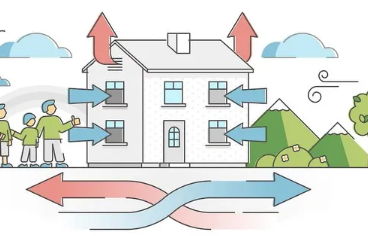
Air doesn't just sit still; it responds to temperature and pressure. In the U.S., many of our two-story suburban homes function like giant chimneys, a phenomenon known as the "Stack Effect." As warm air rises, it creates a vacuum in the lower levels, pulling in air from the basement, crawlspaces, or gaps in the foundation.
The Summer Struggle: In humid regions like the Southeast, this can pull damp, musty air into your living room.
The Winter Solution: On the flip side, strategic homeowners can use this to their advantage. Cracking a window in the basement while opening a skylight upstairs creates a natural "vacuum" that flushes out stagnant air without the hum of an electric fan.
Mechanical Systems: Decoding the HVAC and Beyond
Most Americans rely on their HVAC (Heating, Ventilation, and Air Conditioning) system as the "lungs" of the house. But there’s a common misconception: your standard AC unit often just *recirculates* indoor air rather than bringing in fresh air from the outside.
To achieve true ventilation, we look to three main mechanical strategies:
1. Exhaust Systems: The humble bathroom fan is your frontline defense. If your fan can't hold a single square of toilet paper against the vent through suction, it’s not doing its job.
2. Balanced Systems (ERV/HRV): In colder climates like the Northeast or Midwest, Heat Recovery Ventilators (HRV) are game-changers. They swap stale indoor air for fresh outdoor air but "capture" the heat in between, so you aren't literally throwing your heating bill out the window.
3. Supply Ventilation: This involves pressurized systems that force fresh air into the home, ensuring that the "leaks" in your house are pushing air *out* rather than letting drafts *in*.
The MERV Myth: Choosing the Right Filter
When you walk down the aisle at a big-box hardware store like Home Depot or Lowe's, the sheer variety of air filters can be overwhelming. The American Society of Heating, Refrigerating and Air-Conditioning Engineers (ASHRAE) uses the MERV (Minimum Efficiency Reporting Value) scale to rate these.
MERV 1-4: Basically "dust catchers." They protect your HVAC motor but do very little for your lungs.
MERV 8-11: The "Sweet Spot." These capture pollen, mold spores, and pet dander.
MERV 13+: These are high-efficiency filters capable of capturing virus-sized particles. A Pro Tip: Be careful here. High-rated filters are thicker and can "choke" older HVAC systems, leading to a burnt-out blower motor. Always check your system’s manual before upgrading to a "hospital-grade" filter.
Humidity: The Silent Architect of Air Quality
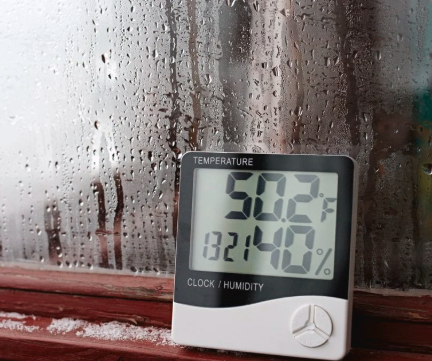
Ventilation and humidity are inextricably linked. The U.S. Department of Energy recommends keeping indoor humidity between 30% and 50%.
The "Foggy Window" Warning: If you see condensation on the inside of your windows in the morning, it’s a red flag that your home isn't breathing. That moisture is the perfect breeding ground for mold behind your drywall.
The Kitchen Challenge: Boiling a pot of pasta adds nearly a quart of water into the air. If you aren't running your range hood—especially one that vents *outside* rather than just recirculating through a charcoal filter—you’re inviting structural damage over time.
Strategic Geometry: How to Master Cross-Ventilation
Natural ventilation is an art form. If you simply open one window, the air stays stagnant. You need pressure differentials .
Windward and Leeward: Open a window on the side of the house where the wind is hitting (the windward side) and another on the opposite side (the leeward side). This creates a "wind tunnel" effect that can replace the entire volume of air in a room in minutes.
The "Night Flush": In dry, hot climates like Arizona or Colorado, the "Night Flush" involves opening the whole house at 4:00 AM to soak the thermal mass of your furniture and walls in cool air, then "sealing the vault" by 8:00 AM to trap that coolness for the day.
The Forgotten Spaces: Basements and Attics
We often neglect the areas where we don’t sleep or eat, but these areas dictate the air quality of the entire home.
Basements: Because they are below grade, they are prone to radon—a colorless, odorless gas that the EPA identifies as the second leading cause of lung cancer. Proper ventilation and a dedicated dehumidifier are essential "health insurance" for basement-heavy homes.
Attics: A poorly ventilated attic in the summer can reach 150°F. This heat radiates downward, forcing your AC to work twice as hard. Ensuring your soffit and ridge vents are clear of insulation is the cheapest way to lower your energy bill.
Modern Challenges: Wildfires and "Sick Building Syndrome"
In the last decade, the American West has faced a new ventilation crisis: wildfire smoke. When the AQI (Air Quality Index) hits purple levels, your ventilation strategy must flip.
Sealing the Envelope: This is the only time you should *stop* natural ventilation. Switch your HVAC to "Recirculate" and rely on portable HEPA air purifiers .
The DIY Hack: If you’re in a pinch, the "Corsi-Rosenthal Box"—a DIY air cleaner made from a box fan and four MERV-13 filters—has been validated by researchers as a highly effective way to scrub air during smoke events.
Practical Maintenance Habits for the Busy Homeowner
Good airflow shouldn't be a full-time job. Incorporate these small "check-ups" into your seasonal routine:
The Ribbon Test: Hold a light ribbon near your window frames on a windy day. If it dances, your "controlled" ventilation is being ruined by "uncontrolled" leaks. Use caulk or weatherstripping to regain control.
Fan Direction: Remember the "Spring Forward, Fall Back" rule for ceiling fans. In summer, run them counter-clockwise to push air down. In winter, run them clockwise at a low speed to pull cool air up and push the trapped warm air off the ceiling.
Vent Cleaning: Use a vacuum attachment to clear the dust off your supply registers once a month. A clogged vent is like trying to breathe through a straw.
Professional Intervention: When to Call the Pros
If your home feels perpetually stuffy, or if you’re noticing a "musty" smell that won't go away, it might be time for a Blower Door Test . Professionals can depressurize your house to find the exact spots where air is escaping. Organizations like RESNET or the BPI (Building Performance Institute) certify auditors who can give you a "roadmap" to a more breathable home.
Conclusion
Ventilation is the invisible thread that connects our home’s structure to our personal health. By mastering the basics—understanding the stack effect, choosing the right filters, and respecting the power of humidity—we transform our houses from mere shelters into active, breathing environments. Whether you live in a hundred-year-old Victorian or a brand-new condo, the goal remains the same: ensuring that the air you breathe is as fresh, clean, and invigorating as the life you’re building inside those walls.