Pet ownership has long been a cornerstone of American family life, but the modern domestic landscape is undergoing a radical shift. According to the 2023-2024 American Pet Products Association (APPA) National Pet Owners Survey, nearly 86.9 million households in the United States share their lives with at least one animal. This "humanization of pets" means they are no longer just backyard guardians but central family members who share our sofas, kitchens, and bedrooms.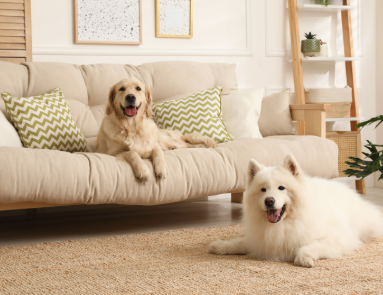
However, many homes remain optimized solely for bipedal residents, leading to a frustrating cycle of scratched floors, stressed animals, and compromised aesthetics. A truly pet-friendly home requires a strategic, biophilic approach that balances an animal's ancestral instincts—climbing, scratching, and retreating—with the demands of modern residential design. By integrating research-backed adjustments from the ASPCA and AVMA , homeowners can move beyond simple "pet-proofing" to "pet-enriching," fostering a space where both species thrive in harmony.
Assessing the Home: The "Spatial Audit" Strategy
Before investing in expensive renovations, it is essential to perform what architects call a "spatial audit" from a pet-eye-level perspective. The Centers for Disease Control and Prevention (CDC) notes that a significant percentage of domestic pet injuries are the result of preventable environmental hazards that go unnoticed by humans standing six feet tall.
The "Chew Factor": Puppies and kittens explore with their mouths. Beyond visible electrical cords, consider the "toxic hidden layer" —low-hanging drapery cords, loose rug tassels, and even certain types of composite wood furniture that may contain formaldehyde.
The "Access Point": We often underestimate a pet’s ingenuity. Unsecured cabinets containing cleaning supplies, laundry pods, or human medications are a high risk. The AVMA identifies accidental ingestion of human meds as a leading cause of pet emergency room visits. Pro-tip: Modern magnetic child locks are invisible from the outside but provide a critical barrier against curious paws.
The "Rest Zone" Psychology: Observe your pet’s natural habitat. Does your dog prefer a "bolster" to lean against, or do they sprawl? Does your cat prefer a "cave" or a high perch? Mapping these "micro-territories" is the first step in integrated design.
Flooring: The Science of "Traction vs. Durability"
Flooring is the primary point of physical contact, and it is often the greatest source of maintenance stress. While solid oak floors are beautiful, they are rarely a match for the "zoomies" of a 60-pound Golden Retriever.
Luxury Vinyl Plank (LVP): The Industry Gold Standard. Modern LVP mimics the texture of hand-scraped hardwood but is constructed from high-density polymers. For pet owners, the "wear layer" is key—aim for 22-mil or higher . This thicker layer resists deep claw gouges that would ruin standard 12-mil products.
The Porcelain vs. Ceramic Debate: For mudrooms and kitchens, porcelain tile is superior due to its density; it has an absorption rate of less than 0.5%, making it virtually impervious to "accidents." However, the AVMA warns that slick surfaces can exacerbate hip dysplasia and arthritis in senior pets.
The "Senior Slip" Solution: In a recent Seattle home renovation for a 12-year-old Labrador, we replaced slick hardwood with textured "wood-look" porcelain tile . This provided the necessary friction to prevent hip splaying while maintaining a high-end aesthetic. Incorporating non-slip, low-pile washable rugs in high-speed corridors is a medical necessity, not just a design choice.
A New Approach to Carpeting: Traditional Berber carpets are a nightmare for cats; their looped fibers act like a trap for claws. If you prefer soft surfaces, opt for "cut-pile" synthetic fibers treated with permanent stain resistance.
Furniture Adaptations: Textile Engineering and Redirection
The conflict between a designer sofa and a house cat is legendary, but the solution lies in textile science rather than declawing or punishment.
The Power of Performance Fabrics: Modern "performance" textiles (like Crypton or high-end microfibers) are engineered at the fiber level to repel liquids and odors. Look for fabrics with a "double rub" count over 50,000 . Because these fabrics have a "tight weave," cat claws cannot easily penetrate the surface to gain the purchase required for a full-body scratch.
The "Redirection" Strategy: The ASPCA emphasizes that scratching is an essential physiological need to mark territory and shed claw sheaths. A successful home design doesn't fight this instinct—it redirects it. Place high-quality sisal scratching posts directly adjacent to the "leading edges" of upholstered furniture. By providing a superior scratching surface exactly where the cat already wants to be, you save your sofa.
Modularity and Washability: Slipcovered furniture from brands like Pottery Barn or IKEA has revolutionized pet-friendly living. Being able to strip a sofa cover and toss it into a heavy-duty washing machine after a muddy day is the ultimate practical luxury.
The "Pet Mudroom": A Biological Airlock
In suburban American homes, the entryway or "Mudroom" serves as the biological airlock of the house. This is where outdoor pollutants are stopped before they infiltrate the living zones.
The Dog Shower Revolution: One of the most requested features in modern custom builds is the "built-in paw station." This is a raised, tiled basin (typically 30 inches high to save the owner's back) with a handheld sprayer and a thermostatic mixing valve to prevent thermal shock. It prevents "tracking"—the process by which outdoor allergens, pesticides, and mud are distributed throughout the home’s interior.
Command Center Organization: Clutter is the enemy of a peaceful pet home. Dedicated "gear walls" with hooks for leashes, weather-resistant cubbies for "poop bags," and gamma-sealed bins for outdoor toys keep the entryway functional. This ensures that "high-value" items like treats or medications are kept out of reach but remain easily accessible for the human "gatekeeper."
Feeding Stations: Behavioral Stability and Health
Feeding time is the most important ritual in a pet's day, yet many owners treat it as an afterthought.
Integrated Diner Systems: Custom kitchen cabinetry now often includes "toe-kick" drawers that hide food bowls when not in use. This prevents human tripping hazards and keeps the kitchen aesthetic clean.
The Science of "Whisker Fatigue": For cats, the Pet Nutrition Alliance suggests wide, shallow bowls. Deep bowls can overstimulate a cat's sensitive whiskers against the sides, leading to "food tossing" or mealtime anxiety.
Ergonomic Feeding: Elevated feeders are beneficial for senior dogs with cervical spine issues or arthritis, allowing them to eat without straining their necks. However, always consult with a vet regarding "bloat" risks for specific large breeds.
Kibble Security: Bulk food storage must be airtight. This isn't just to maintain nutritional potency; it prevents the "pantry pest" cycle and ensures that food-motivated dogs don't engage in "counter-surfing," which can lead to life-threatening gastric torsion .
Vertical Enrichment: Managing Cubic Footage
For residents in space-constrained cities like New York or San Francisco, floor space is a premium. Pets, particularly felines, do not view their world in square footage, but in cubic footage .
The "Cat Highway": Installing staggered wall shelves or "catwalks" allows animals to navigate a room without ever touching the floor. This "vertical territory" is a powerful stress-reliever in multi-pet households, as it allows a submissive animal to bypass a more dominant one safely.
Window Access as "Visual Prey": A secure window perch acts as "environmental enrichment." The Humane Society notes that providing a view of birds or street activity can significantly reduce boredom-induced destructive behaviors like chewing furniture or excessive barking.
Environmental Health: Air Quality and Invisible Toxins
Because pets are smaller and breathe faster than humans, they are more susceptible to indoor air pollutants. The EPA notes that pets spend 90% of their time indoors, often inches away from where dust and chemicals settle.
The HEPA Requirement: A high-efficiency particulate air (HEPA) vacuum is essential for managing the "bio-load" of a pet home. It captures microscopic dander and allergens that standard vacuums simply redistribute into the air. Integrating a standalone HEPA air purifier in the mudroom is an excellent secondary defense.
The Toxic Plant Audit: The aesthetic trend of "indoor jungles" can be deadly. Common plants like Sago Palms (highly toxic to dogs) and Lilies (deadly to cats) should be replaced with non-toxic alternatives such as Spider Plants, Boston Ferns, or Areca Palms.
Safe Cleaning Protocols: Many floor cleaners contain ammonia, which smells like urine to a dog, potentially triggering "territory marking." Opt for pH-neutral, enzyme-based cleaners that break down organic proteins rather than just masking them with artificial scents.
Safety Beyond the Interior: The Secure Exterior
For those with yards, the transition from indoor to outdoor space must be managed with architectural precision to ensure safety and stimulation.
The "Dig-Proof" Perimeter: For dogs with a high prey drive, a standard fence is often insufficient. Installing "L-footer" wire mesh at the base of the fence—buried six inches underground—prevents "escape artists" from tunneling out.
Thermal Management: During the increasingly hot American summers, outdoor zones must have "cool zones" —shaded structures with airflow and self-filling, UV-protected water stations.
The "Catio": The "Catio" (enclosed patio) has become a major trend for indoor cats. It provides the sensory stimulation of the outdoors—wind, scents, and sounds—while protecting the cat from cars, predators, and local bird populations.
Conclusion: The Sanctuary Concept
Ultimately, the most pet-friendly adjustment isn't a piece of expensive furniture, but the creation of a "Safe Zone." Every pet needs a space that is 100% theirs—a sanctuary where they are never disturbed by guests, vacuum cleaners, or children. Whether it’s a high-end crate integrated into a side table or a hidden nook under the stairs, this "den" provides the psychological security necessary for a well-adjusted animal. Furthermore, consistency is key. Pets, especially those who are aging or visually impaired, rely on a "mental map" of their home. Avoid frequent, radical furniture rearrangements, which can lead to disorientation and anxiety.
Creating a pet-friendly home is an act of deep empathy and sophisticated design. It requires a synthesis of the safety protocols from the AVMA, the behavioral insights of the ASPCA, and the environmental standards of the EPA. By selecting high-performance materials, embracing vertical enrichment, and designing dedicated hygiene zones, we do more than just protect our property. We acknowledge that our homes are shared ecosystems. A well-executed pet-friendly space proves that high-end style and a wagging tail don't just coexist—they enhance one another, turning a mere house into a sanctuary for all its inhabitants.