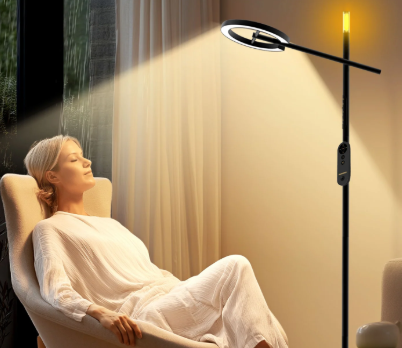
Natural light in homes significantly influences mood, comfort, energy levels, sleep quality, productivity, and daily routines, while also affecting physical health and psychological well-being for residents in meaningful, measurable ways. Ample daylight regulates circadian rhythms, boosts vitamin D production, reduces eye strain, enhances focus during work or study, elevates serotonin for better mood stability, and promotes deeper, more restorative sleep—creating a healthier, more vibrant living environment year-round.
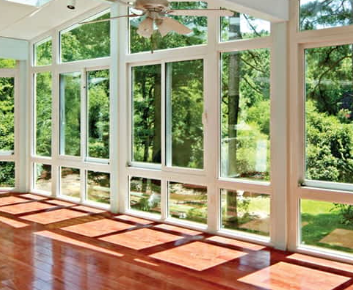
Biological Effects of Daylight
Humans evolved under consistent light-dark cycles, which regulate circadian rhythms. Exposure to natural light helps synchronize these rhythms, influencing hormone levels, alertness, and overall energy.
The National Sleep Foundation explains that morning sunlight triggers serotonin release, contributing to calmness and mood regulation. Evening light exposure signals the body to produce melatonin, supporting restorative sleep. Inadequate exposure can disrupt circadian rhythms, causing fatigue, irregular sleep, and difficulty concentrating.
Daylight can also influence blood pressure and stress hormone levels. In American urban homes, where people often spend long hours indoors, incorporating daylight through windows, skylights, and reflective surfaces can support biological processes and overall well-being.
Emotional Well-being and Mental Health
Exposure to natural light has been linked to lower stress levels and improved emotional stability. The American Psychological Association reports that individuals in brighter homes often experience less anxiety and greater emotional balance.
Northern U.S. states experience shorter winter daylight hours, which can affect mood. Homes that allow sunlight into frequently used spaces, such as living rooms and kitchens, help reduce seasonal mood fluctuations. Seasonal Affective Disorder, linked to limited light exposure, is less pronounced in spaces with adequate natural lighting.
Even brief exposure to morning light indoors positively influences emotional state. Interior designers often consider sunlight paths when arranging furniture and rooms, ensuring spaces where occupants spend most time receive adequate daylight. Sunlight exposure can also enhance social interactions, making communal areas feel more inviting.
Sleep Quality and Circadian Rhythm
Morning light exposure is crucial for regulating the body’s internal clock. Harvard Medical School highlights that early daylight helps synchronize circadian rhythms and signals melatonin production in the evening, promoting sleep quality.
Insufficient daylight disrupts circadian rhythms, leading to delayed sleep onset, daytime drowsiness, and reduced focus. Homes with remote work, study, or screen-heavy routines especially benefit from adequate natural light. East-facing windows provide morning light that improves alertness and emotional well-being. Even ten to fifteen minutes of direct sunlight in the morning can influence energy and mood for several hours.
Proper daylighting supports daily routines, helps residents feel more awake during the day, and allows for better rest at night, aligning human biology with indoor living environments.
Comfort and Spatial Perception
Natural light affects how residents perceive indoor spaces. Rooms with abundant sunlight appear larger, more open, and welcoming. The Illuminating Engineering Society notes that daylight improves perception of colors and textures, enhancing visual comfort.
Daylight reduces reliance on artificial lighting, which can prevent eye strain, headaches, and discomfort. Living rooms, kitchens, and home offices benefit most from thoughtful window placement and reflective surfaces.
Sunlight also influences thermal comfort. South-facing windows can provide passive winter warmth, while shading or reflective treatments prevent overheating in summer. This interaction between light and temperature creates a more balanced and comfortable indoor environment year-round.
Cognitive Function and Productivity
Daylight exposure can enhance attention, focus, and cognitive performance. Research from the Center for Health and the Built Environment indicates that spaces with quality daylight are associated with improved concentration and reduced mental fatigue.
Home offices, study areas, and creative spaces benefit from south-facing windows or layouts that maximize sunlight. For Americans working or learning from home, proper daylighting improves alertness and reduces mental fatigue.
Even routine activities like cooking, reading, or engaging with family are more enjoyable in naturally lit spaces. These benefits indirectly support emotional balance and overall satisfaction, making daily life more comfortable and efficient.
Energy Efficiency and Indoor Comfort
Natural light influences energy use and indoor comfort. Homes designed to maximize daylight reduce the need for daytime electric lighting, lowering energy consumption and utility costs.
Reflective surfaces, light-colored walls, and strategic furniture placement enhance daylight penetration into rooms without direct windows. Passive solar design can provide warmth in winter and reduce overheating in summer, contributing to a more balanced indoor climate.
The U.S. Department of Energy notes that homes with well-planned daylighting improve energy efficiency while creating visually appealing and comfortable spaces. Skylights, light tubes, and light shelves are effective tools for enhancing daylight without major renovations.
Regional Considerations in the United States
Different regions in the U.S. experience varying sunlight patterns that affect indoor comfort. In the Northeast, winter daylight hours can be as short as eight hours, increasing the importance of strategic window placement and reflective surfaces.
In southern states, longer summer days can cause overheating without proper shading. California residents often use light shelves and south-facing windows to distribute sunlight evenly throughout the house. In Alaska and northern states, supplemental daylighting techniques, such as skylights and light tubes, are essential during long winter months to maintain mood and energy levels.
Even urban apartments with limited window access can benefit from daylight through reflective interior surfaces and open layouts. Considering local sunlight patterns ensures natural light provides consistent benefits year-round.
Practical Strategies to Increase Natural Light
Homeowners can enhance indoor daylight with simple adjustments:
Optimize window access : Keep windows clear from curtains or furniture, and choose east-facing windows for morning light.
Use reflective surfaces : Light-colored walls, ceilings, and furniture help scatter sunlight deeper into rooms.
Install skylights or light tubes : Bring daylight to interior areas that would otherwise remain dim.
Strategic room arrangement : Place frequently used areas like home offices, kitchens, and living rooms where sunlight is strongest.
Exterior adjustments : Trim trees or shrubs blocking sunlight from windows.
Adjustable blinds or shades : Control light while maintaining bright rooms throughout the day.
Implementing these strategies improves natural light, supporting comfort, mood, productivity, and daily routines for residents.
Conclusion
Natural light in homes affects emotional well-being, sleep quality, cognitive function, energy efficiency, and overall comfort. Thoughtful daylighting, reflective surfaces, strategic room placement, and regional considerations allow residents to enjoy healthier, more inviting living environments. Understanding the interaction between sunlight and living spaces helps create homes that support both physical health and mental well-being.