Gone are the days of makeshift home offices cluttered with laptops on kitchen tables and paperwork stacked on sofas. In 2025, as hybrid work becomes a permanent fixture for millions of American professionals, the home office has evolved from a “temporary” setup to an intentional part of home design. This guide explores practical 2025 home storage trends that help you organize smarter, save space, and keep your home visually balanced.
The focus now is on balance: creating an area that boosts productivity, protects mental health, and blends seamlessly with your living space—whether you have a dedicated room or just a corner of your bedroom. This year’s trends prioritize flexibility, comfort, and functionality, proving that a great home office doesn’t require a huge budget or extra square footage.
Zone Your Space: Even Small Areas Need Boundaries
The biggest mistake people make with home offices is skipping clear boundaries between work and living spaces. This blur can lead to longer work hours, difficulty unwinding, and reduced focus during the day. 2025’s solution is “micro-zoning”—using simple design tricks to define your work area, no matter how small.
For studio apartments or bedrooms, a room divider does wonders. Opt for a woven rattan screen or a bookshelf filled with personal items—both add style and create a visual barrier between your desk and bed. If you’re using a corner of the living room, position your desk perpendicular to the couch (not facing it) to avoid distractions from the TV. Even small touches matter: a dedicated desk lamp that you only turn on during work hours signals to your brain it’s time to focus, while turning it off marks the end of the workday. These boundaries aren’t just physical—they’re mental, helping you switch between “work mode” and “home mode” more easily.
Ergonomics Without the Hefty Price Tag
Ergonomics used to mean investing in thousand-dollar office chairs and standing desks, but 2025’s trends focus on affordable, adaptable solutions that work for different body types and budgets. The key is prioritizing three areas: your chair, desk height, and screen position—these prevent back pain and eye strain, the top complaints from home workers.
You don’t need a fancy chair: add a lumbar pillow to your favorite dining chair for lower back support, or use a folded blanket to raise your hips if the seat is too low. For desk height, if you’re using a kitchen table that’s too tall, place your laptop on a stack of books to bring the screen to eye level (your eyes should look slightly down at the screen, not up). Standing desks are still popular, but budget-friendly options—like adjustable desk risers that sit on top of your existing table—let you switch between sitting and standing without replacing furniture. A freelance graphic designer in Brooklyn swears by her $40 desk riser: “I stand for an hour every afternoon, and my shoulders don’t ache like they used to.” Small, affordable tweaks beat expensive gear every time.
Dual-Purpose Design: Workspaces That Do Double Duty
For homes short on square footage, 2025’s biggest home office trend is dual-purpose furniture—pieces that serve as workspaces during the day and blend into your living space at night. This isn’t about hiding your work; it’s about making your office work with your lifestyle.
A wall-mounted drop-leaf desk is perfect for small spaces: fold it down to use as a desk during the day, then fold it up against the wall to create more room for dinner or yoga. Storage ottomans that double as extra seating can hold paperwork and laptop chargers, keeping your space clutter-free. Even dining tables are getting in on the trend—many 2025 designs have built-in drawers for office supplies and adjustable heights to switch between dining and working. A family in Chicago uses their dining table as a home office for two: each person has a dedicated drawer for their laptop and notebooks, and they clear the table for meals by storing supplies in decorative baskets under the table. It’s efficient, stylish, and doesn’t require sacrificing living space.
Biophilic Design: Bring Nature In for Focus and Calm
Biophilic design—incorporating natural elements into indoor spaces—has been growing in popularity for years, and 2025 sees it becoming a staple in home offices. Studies suggest that plants and natural light can noticeably improve focus and reduce stress,according to workplace and environmental psychology research.
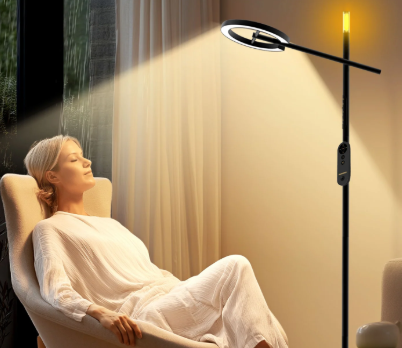
You don’t need a green thumb to embrace this trend. Start with low-maintenance plants like snake plants, pothos, or ZZ plants—they thrive in low light and only need water every two weeks. Place a small succulent on your desk or hang a trailing pothos from a shelf near your window. Natural light is just as important: position your desk near a window if possible, and use sheer curtains instead of heavy drapes to let in light without glare. If your office is in a dark corner, add a daylight-simulation lamp that mimics natural sunlight—great for winter months or rooms without windows. Even organic materials help: a wooden desk, jute rug, or cotton desk pad adds warmth and connects you to nature, making long workdays feel more peaceful.
Clutter-Free Storage: Hide the Mess, Boost Focus
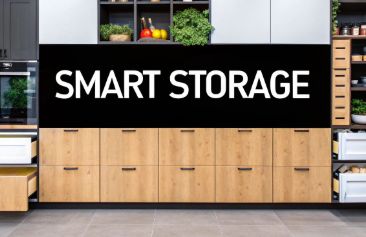
Clutter is the enemy of productivity, and 2025’s home office trends focus on “hidden storage” that keeps supplies out of sight but within reach. The goal is a clean, calm workspace where you can focus on your work—not your to-do list or piles of paperwork.
Wall-mounted shelves with baskets are a game-changer: use the baskets to store notebooks, chargers, and office supplies, and keep the top of the shelves for decor like plants or framed photos. Drawer organizers turn messy desk drawers into organized systems—use dividers for pens, paper clips, and sticky notes. For larger items like printers or scanners, look for rolling carts with closed cabinets that can be tucked under your desk or in a closet when not in use. A remote worker in Austin uses a rolling cart with three drawers: one for office supplies, one for her printer, and one for snacks. “I roll it out when I need it and tuck it next to my desk when I’m done—no more printer taking up half my workspace,” she says. The key is to only keep what you use daily on your desk; everything else gets stored away.
In 2025, the perfect home office isn’t about having the latest gear or a dedicated room—it’s about designing a space that fits your life, your budget, and your work style. Whether you’re working from a corner of your bedroom or a full home office, the trends this year—micro-zoning, affordable ergonomics, dual-purpose furniture, biophilic design, and hidden storage—all point to one thing: a workspace that works for you, not against you. By focusing on balance between productivity and comfort, you can create a home office that makes work feel less like a chore and more like a natural part of your day. After all, the best home office is the one that helps you do your best work—without sacrificing the things that make your house a home.