A sudden power outage, a storm that blocks roads, or an unexpected evacuation—these moments don’t give warning, but they do demand preparation. The difference between chaos and calm often comes down to a simple thing: a well-stocked emergency kit. Contrary to what some might think, creating one doesn’t require expensive gear or a closet full of supplies. With a focus on practicality and basic needs, you can assemble a kit that keeps your family safe for 72 hours—the critical window when external help is often on the way—without breaking the bank. This guide breaks down exactly what you need, how to tailor it to your family, and why every item matters.
The Core Principle: Prioritize Needs, Not Extras
Emergency kits work best when they focus on survival basics: water, food, shelter, safety, and communication. Fancy gadgets or specialty items only add bulk and cost without improving functionality. The goal is to cover the essentials that keep everyone hydrated, nourished, and able to signal for help if needed. A good rule of thumb is to keep items lightweight, non-perishable, and easy to grab—whether you’re sheltering in your basement or evacuating to a community center. You don’t need to buy everything at once, either; start with the basics and add specialized items over time.
Essential 1: Water—The Non-Negotiable Foundation
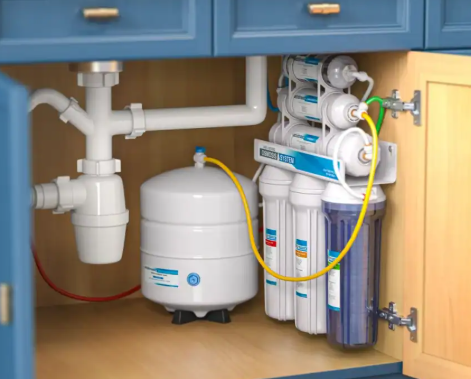
Water is the most critical supply in any emergency. When pipes break or water sources become contaminated, having a safe stock can mean the difference between comfort and crisis. The standard recommendation is one gallon per person per day—enough for drinking, basic hygiene, and small cleaning tasks. For a family of four, that’s 12 gallons for a 72-hour period.
Affordable solutions work best here. You don’t need premium bottled water; regular sealed drinking water from the grocery store is perfect. Look for multi-packs that fit easily in a storage bin, and check expiration dates every six months to rotate stock. For extra flexibility, add a few bottles of water purification tablets—they’re cheap, lightweight, and can treat tap water if your supply runs low. Store all water in a cool, dark place away from cleaning supplies or chemicals.
Essential 2: Food—High-Energy, No-Cook Options
Emergency food should check three boxes: it doesn’t require cooking (since power may be out), it’s non-perishable, and it provides enough calories to keep energy levels up. The key is to choose items your family will actually eat—there’s no point in stockpiling something no one will touch during a stressful time.
Budget-friendly staples include: compressed crackers, energy bars, vacuum-sealed nuts and dried fruit, canned beans or tuna (in water, not oil, for less mess), and shelf-stable peanut butter. For families with kids, add a few small, familiar snacks like granola bars or dried cereal—familiar foods can ease anxiety in stressful moments. Avoid items that need water to prepare (like instant oatmeal) or that spoil quickly (fresh produce or dairy). Pack a manual can opener—this tiny tool is often forgotten, but it’s useless to have canned food without it.
Essential 3: Safety & Shelter—Stay Protected
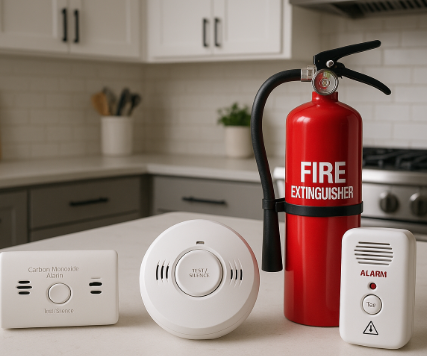
These items help your family stay safe from the elements and signal for help if needed. They’re often small and inexpensive, but they make a huge difference in an emergency. Start with lighting: LED flashlights are preferable to candles (which pose fire risks) and use less battery power. Pack extra batteries in a waterproof bag to keep them dry.
Next, add warmth and protection. Emergency blankets—thin, reflective sheets that trap body heat—are a must. They’re lightweight, take up almost no space, and work in both cold and hot climates. Include a few ponchos or waterproof jackets for each family member, and sturdy closed-toe shoes (even if you just pack old sneakers) to protect feet from debris. A simple whistle is another critical item: its sound carries farther than a shout, making it easier for rescuers to locate you if you’re trapped.
Essential 4: First Aid—Handle Small Injuries
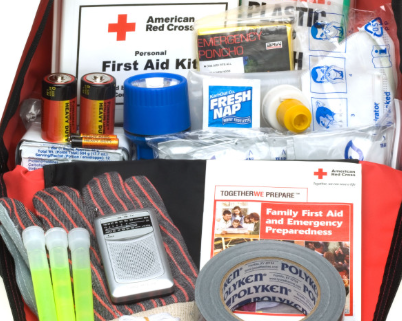
A basic first aid kit doesn’t need to be a professional medical bag, but it should cover common emergency injuries. You can buy pre-made kits for under $20, or assemble your own with items from the drugstore to save money. Focus on cleaning, covering, and comforting—those are the needs that arise most often.
Must-have items include adhesive bandages in multiple sizes, gauze pads, medical tape, antiseptic wipes (avoid harsh iodine solutions, which irritates skin), and hand sanitizer. Add a small supply of over-the-counter medications: pain relievers, antihistamines for allergies, and anti-diarrheal pills. For families with specific needs, include prescription medications (keep a 7-day supply in a labeled container) or items like inhalers. Store all medical supplies in a clear, waterproof pouch so you can find what you need quickly.
Essential 5: Communication & Documents—Stay Connected
In an emergency, cell phone towers may be down, but having ways to get updates and reach loved ones is vital. A battery-powered or hand-crank radio lets you listen to weather alerts and emergency broadcasts—look for models that can also charge cell phones via USB. Keep a portable phone charger (charged and ready) to extend your phone’s life.
Important documents are just as crucial. Copy key papers like IDs, birth certificates, insurance policies, and emergency contact numbers. Store them in a waterproof folder or zip-top bag. Include cash in small bills, too—ATMs and credit card machines may not work, and you’ll need money for snacks, gas, or supplies. A local map (paper, not digital) is also useful if GPS fails, especially if you need to evacuate to a new area.
Tailor the Kit to Your Family
Every family has unique needs, so adjusting your kit ensures it works for everyone. For families with babies, add formula, diapers, a bottle, and a change of clothes. Pet owners should include food, water, a leash, and a carrier—emergency shelters often require pets to be crated. If you have elderly family members, pack extra medications, hearing aid batteries, or mobility aids like a foldable cane. For kids, add a small toy or coloring book to keep them occupied—stressful situations are harder on little ones, and a familiar item can provide comfort.
Store & Maintain Your Kit
Once your kit is assembled, store it in a place that’s easy to access—near the front door or in a closet by the garage. Avoid basements (which flood) or attics (which get too hot, ruining food and batteries). Label the container clearly so everyone in the family knows where it is. Set a reminder every six months to check supplies: replace expired food and water, recharge portable chargers, and update medications or documents. This quick check ensures your kit is always ready when you need it.
Building an emergency kit isn’t about fearing disaster—it’s about gaining peace of mind. Knowing you have the supplies to keep your family safe lets you face unexpected events with confidence instead of panic. The best part? It’s entirely within reach for most households. By focusing on basics, shopping smart, and tailoring to your needs, you’re not just buying supplies—you’re investing in the one thing that matters most: your family’s safety. And that’s a purchase no one ever regrets.