Many people spend most of their time inside their homes but do not always consider how the air they breathe might affect their daily comfort and wellbeing. In the United States the quality of indoor air is influenced by everyday activities and the materials used inside homes. Recognizing factors that affect air quality and understanding practical steps to manage them can help households live in spaces that feel more pleasant and comfortable.

The significance of indoor air quality can be understood by looking at how much time people typically spend indoors. Research and public health sources often note that people in developed countries spend around ninety percent of their time inside buildings such as homes, workplaces and schools. This means the air we breathe indoors can have a direct impact on our comfort on a daily basis.
What Indoor Air Quality Means for Your Home
Indoor air quality refers to the condition of the air within a home environment and how it affects the occupants. Poor indoor air quality can result from factors such as inadequate ventilation, airborne particles, excess moisture, and emissions from household products. When indoor spaces have a buildup of contaminants, residents may experience discomfort or a sense that the air feels stale and heavy.
One way to gain perspective on indoor air quality is to consider how it compares with outdoor air. EPA and other environmental organizations note that indoor air can sometimes contain higher concentrations of certain pollutants than outdoor air because modern homes are built to limit airflow in order to maintain energy efficiency. Without sufficient circulation these contaminants can remain in the air.
Common Indoor Air Contaminants
Understanding what influences air quality inside a home helps individuals make informed decisions about daily living habits. Some common sources of contaminants include:
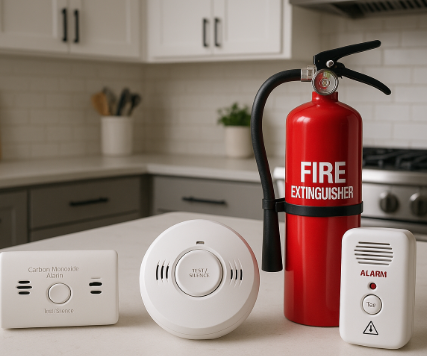
Combustion appliances such as gas stoves, furnaces, or water heaters that emit gases like nitrogen dioxide and carbon monoxide. Exposure to these gases has been linked to respiratory symptoms and discomfort.
Household products that release volatile organic compounds or VOCs. These may come from paints, cleaning supplies, or certain furnishings and can contribute to indoor pollution if ventilation is limited.
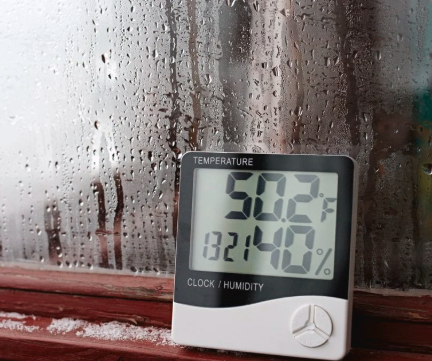
Moisture related to condensation or leaks. Excess humidity can encourage mold growth and create conditions that may cause irritation for people who are sensitive to airborne particles.
Outdoor pollutants that enter a home and become trapped, especially during weather events like wildfires. Particulate matter can drift indoors and affect air quality unless there are suitable measures in place to reduce infiltration.
Ventilation Plays a Key Role
One of the most discussed elements of indoor air quality is ventilation. Without sufficient air exchange between the indoors and outdoors, pollutants can accumulate. Homes that are sealed tightly for energy efficiency may be slower to remove air contaminants without deliberate ventilation. Opening windows when outdoor air quality is favorable or using exhaust fans during activities that generate moisture and particles can help improve circulation.
For example, during cooking or after bathing when steam forms, using a fan or opening a window briefly helps carry moisture and odors out of the home. These practices are especially relevant during seasons when heating or cooling systems are not running at full capacity.
Managing Moisture to Reduce Pollutants
Moisture control is another factor that influences how comfortable the indoor environment feels. If humidity levels become too high, surfaces such as walls or carpets may develop damp spots that encourage biological growth like mold. Mold does not always emit a noticeable smell, but it can contribute to discomfort for people who have sensitivities. Using dehumidifiers in areas prone to moisture buildup such as basements and ensuring that water leaks are addressed promptly can help maintain a balanced indoor environment.
Selecting Materials and Products Thoughtfully
Indoor air quality can also be influenced by the materials and products used within a home. Some building materials and furnishings can release chemicals into the air especially when new. For example furniture made with certain composite woods can emit formaldehyde and related compounds that may lead to irritation if ventilation is limited. Ensuring that new products have adequate offgassing time before placement in closed spaces or selecting low emission products by consulting labels and specifications can contribute to more comfortable indoor surroundings.
Awareness of Combustion Sources
Gas and propane stoves remain common in many American households. Research published in reputable scientific journals indicates that combustion from these stoves generates nitrogen dioxide and other pollutants that can linger in the air after cooking. These emissions have been associated with cases of respiratory discomfort and inflammation in children. Improving ventilation during and after cooking can help lessen the concentration of combustion byproducts in the indoor air.
The Role of Filtration and Cleaning
Filtration systems can help capture particles that float in the air. Homes that use central heating, ventilation and air conditioning systems often have filters that need regular replacement or cleaning to function effectively. If these filters become clogged with dust and particles, air may circulate less effectively and pollutants can linger. Checking filter status and following guideline recommendations for maintenance can support the movement of air through these systems in a healthier way.
Portable air cleaning devices with appropriate filters can also reduce particle counts in indoor environments. Consumer guidance and environmental agencies provide information on choosing supporting technology that aligns with room size and occupant needs. While no single device can fully eliminate all types of air contaminants, using filtration as part of a broader approach that includes ventilation and cleanliness may influence how fresh the indoor air feels.
Simple Daily Habits That Support Better Air Quality
Small adjustments in everyday routines can intersect with air quality considerations. Some practical habits include:Increasing airflow during and after activities that release particles, such as cooking and cleaning.
Reducing the use of synthetic fragrances or aerosol sprays that can temporarily add contaminants to the indoor environment.
Ensuring that heating and cooling systems are serviced regularly so that airflow is maintained and potential sources of pollutants like dust buildup are managed.
Keeping floors and surfaces clean to reduce dust and other particles that can be disturbed and become airborne.