Weeknight cooking shouldn’t be a chore. For many Americans, the hours between work and bedtime are packed with errands, childcare, last-minute work emails, and the quiet race to unwind—leaving little time to plan, cook, and clean up after a meal. That’s why minimalist meal prep has become a non-negotiable staple in 2025: it’s a flexible, stress-free approach that focuses on prepping versatile ingredients, not rigid full meals. The result? You can whip up a delicious, healthy dinner in 15 minutes or less, without sacrificing flavor, nutrition, or the chance to adapt to sudden cravings. It’s cooking that fits your life, not the other way around.
Rule 1: Stick to a Short List of Versatile Staples
The foundation of minimalist meal prep is choosing 3–4 core ingredients each week that work across multiple dishes—no random specialty items that get forgotten in the back of the fridge. These staples should align with your taste buds and dietary needs, and they should hold up well when cooked in bulk (think: no mushy veggies or dry protein by midweek). The goal is to keep your grocery list short, your costs low, and your waste minimal.
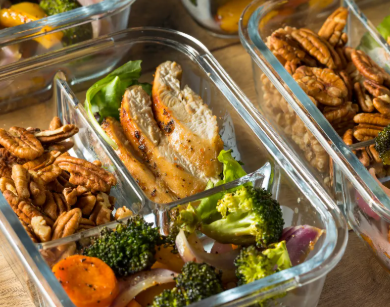
For example, a meat-eater’s weekly staples might include grilled chicken breast, quinoa, roasted broccoli/bell peppers, and a jar of tzatziki for flavor. Vegetarians could swap the chicken for firm tofu or chickpeas, while plant-based eaters might add lentils for extra protein. Even those with dietary restrictions can adapt: gluten-free households can trade quinoa for rice, and low-carb eaters might replace grains with cauliflower rice or roasted sweet potatoes. Flavor boosters are non-negotiable but simple: olive oil, garlic, lemon juice, and a few go-to spices (cumin for Mexican vibes, paprika for Mediterranean, or soy sauce for Asian-inspired meals). With these basics, you can throw together a salad on Monday, a grain bowl on Tuesday, a stir-fry on Wednesday, and a wrap on Thursday—no extra grocery runs, no wasted produce, and no “I have nothing to cook” panic.
Rule 2: Batch Cook Basics (Not Full Meals)
Traditional meal prep’s biggest flaw is “meal fatigue”—cooking five servings of the same casserole on Sunday and forcing yourself to eat it until Wednesday, when it’s no longer appetizing. Minimalist meal prep fixes this by focusing on batch-cooking components, not complete dishes. Set aside 30–45 minutes on Sunday (or a quiet weeknight) to cook your staples: roast a tray of veggies, grill a pack of chicken or tofu, and simmer a pot of grains. Let everything cool, then store in airtight glass containers in the fridge (for 3–4 days) or freezer (for up to a month).
These prepped components are your blank canvas. On Monday, toss quinoa, chicken, and roasted veggies with olive oil, lemon, and feta for a Greek-inspired salad. On Tuesday, warm the chicken and veggies, wrap them in a tortilla with salsa and avocado, and you’ve got a quick burrito. On Wednesday, stir the veggies and a can of black beans into pasta with garlic, red pepper flakes, and Parmesan. Thursday could be a grain bowl topped with a fried egg and hot sauce. The same handful of ingredients feels new every night, and you avoid the resentment of eating the same meal on repeat. For extra convenience, portion grains and proteins into individual containers—grab one of each, add a handful of fresh greens, and you’ve got a lunch to take to work too.
Rule 3: Repurpose Leftovers (Don’t Waste Them)
Food waste is a costly, environmental issue in the U.S.—the average household throws away $1,500 worth of food each year, according to the USDA. Minimalist meal prep turns “leftovers” into “planned ingredients,” turning wilted produce or half-eaten grains into something delicious. It’s not about eating the same plate of food twice; it’s about getting creative with what’s already in your fridge.
For example, wilted spinach or kale can be blended into a morning smoothie, sautéed with eggs for breakfast, or chopped and added to soups. Leftover rice isn’t just for fried rice—mix it with mashed avocado and a fried egg for a quick breakfast bowl, or stir it into chili to thicken it. Overripe bananas (the ones with brown spots) are perfect for oatmeal, banana bread muffins, or frozen “nice cream” (blend with a splash of almond milk for a healthy dessert). Even leftover roasted veggies get a new life: chop them up and add to omelets, mix with hummus for a dip, or toss into a pot of soup. This mindset shift doesn’t just save money—it turns “food waste guilt” into “cooking win” satisfaction.
Rule 4: Simplify Your Tools (Ditch the Gadgets)
You don’t need a drawer full of single-use gadgets (looking at you, spiralizer that’s only been used once) to cook well. In 2025, home cooks are embracing a “less is more” approach to kitchen tools, sticking to 4–5 multi-purpose items that handle every task. The fewer tools you have, the less time you spend washing, storing, and troubleshooting them—and the more likely you are to actually cook.
The essentials include: a sharp chef’s knife (for chopping everything from veggies to protein), a sturdy cutting board (opt for bamboo—it’s durable and easy to clean), a large sheet pan (roast veggies and protein at the same time for minimal cleanup), a medium pot (for grains, beans, or soups), and an air fryer (optional but game-changing for quick, crispy veggies or reheating protein without drying it out). That’s it. You don’t need a rice cooker—rice cooks perfectly in a pot with a lid. You don’t need a food processor—your sharp knife can chop veggies just as fast. Even small kitchens or apartments can fit these basics, and they’ll last for years. The goal is to make cooking feel approachable, not like a chore that requires a culinary degree or a closet full of equipment.
Rule 5: Keep It Flexible (No Strict Schedules)
Minimalist meal prep isn’t about following a rigid plan that falls apart the second your kid gets a last-minute soccer practice or you have to stay late at work. It’s about building a system that adapts to your life, not the other way around. Flexibility is what makes this approach sustainable—you’re not failing if you don’t “stick to the plan”; you’re just cooking smarter.
For example, if you’re too tired to cook on Tuesday, grab a prepped grain container, a protein container, and a handful of fresh berries—eat it cold as a salad, no cooking required. If your teen suddenly wants tacos instead of the stir-fry you had in mind, swap the prepped chicken and veggies into tortillas with a dollop of sour cream. If you have a friend over for dinner, double the batch of grain bowl components and add a few store-bought items (like pre-made guacamole or a bag of chips) to make it feel special. This flexibility takes the stress out of cooking—you’re not tied to a recipe or a timeline, just using what you have to make something tasty. It’s cooking without the pressure, and it’s why so many busy families are sticking with it.
In 2025, cooking is about joy, not perfection. Minimalist meal prep isn’t a trend or a diet—it’s a sustainable way to eat well without sacrificing time, money, or your sanity. By focusing on versatile staples, batch-cooked components, repurposed leftovers, simple tools, and flexibility, you can spend less time in the kitchen and more time doing the things you love—all while enjoying delicious, home-cooked meals every night of the week. It’s cooking that works for you, and that’s the best kind of cooking there is.