For Jennifer Lopez, a marketing manager in Denver, her backyard garden used to be an afterthought—a patch of overgrown grass and a few potted geraniums that rarely got her attention. Then, in 2024, she converted half the space into a mix of native flowers and raised vegetable beds. “Now I spend every weekend morning out there,” she says. “I pick fresh basil for pasta, watch butterflies land on coneflowers, and even work from my garden bench sometimes.” Jennifer’s transformation isn’t an anomaly.
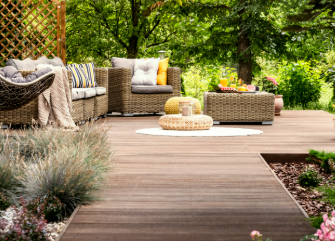
In 2025, backyard gardening has evolved from a niche hobby to a cornerstone of American home life, with homeowners prioritizing spaces that are beautiful, productive, and aligned with their busy, eco-conscious lifestyles. Gone are the days of high-maintenance lawns and rigid vegetable plots; today’s gardens are flexible, sustainable, and designed to work with their owners—not against them.
Native Plant Gardens: Low-Maintenance Beauty That Supports Local Ecosystems
The biggest shift in 2025 gardening is the move away from exotic, high-maintenance plants to native species—and for good reason. Native plants, evolved to thrive in specific regional climates, require far less water, fertilizer, and pest control than non-native varieties. They also act as vital habitats for local pollinators like bees, butterflies, and hummingbirds, which have seen steep population declines in recent decades. The National Gardening Association (NGA) reports that 68% of new gardeners in 2025 are choosing native plants as their primary focus, up from 42% in 2022.
In the Southeast, homeowners opt for black-eyed Susans, Southern magnolias, and switchgrass, which tolerate humidity and summer downpours with ease. On the West Coast, California poppies, Oregon grape, and sagebrush are staples, handling drought conditions better than traditional lawns. “I used to water my lawn three times a week and still had brown spots,” says Mark Chen, a homeowner in Sacramento. “Now I have a native garden with poppies and sage—I water once every two weeks, and it’s brighter and more lively than my old lawn ever was.” For those worried about aesthetics, native gardens are anything but plain: species like the vibrant red cardinal flower or fragrant New Jersey tea bush offer striking colors and scents that rival imported plants.
Edible Landscaping: Blending Food and Beauty in Every Corner
Another major trend is edible landscaping, which rejects the idea that food crops must be hidden in a separate plot and instead integrates them into decorative outdoor spaces. This approach maximizes usable space while creating a more cohesive, inviting backyard. Homeowners are planting fruit trees as focal points, berry bushes as hedges, and leafy greens in flower beds—turning every inch of their yard into a potential food source.
In Portland, Oregon, a family of four replaced their front yard lawn with apple trees, raspberry bushes, and kale plants, bordered by lavender for pest control. “We get about 30 pounds of apples a year, and the kale keeps us supplied from spring to fall,” says homeowner Lisa Garcia. “Neighbors stop by all the time to ask about it—some have even started their own edible front yards.” Edible landscaping also makes gardening more accessible for beginners, eliminating the pressure of maintaining a “perfect” vegetable plot.
New gardeners can start small: a lemon tree in a pot, strawberry plants in a window box, or herbs mixed in with flower beds. The NGA notes that edible landscaping has increased 57% among urban homeowners since 2023, as city dwellers seek to connect with their food sources and reduce grocery bills.
Small-Space Solutions: Gardening for Apartments and Tiny Yards
Not everyone has a sprawling backyard, and 2025’s gardening trends cater to this reality with innovative small-space solutions. Vertical gardening—using walls, trellises, and hanging planters—has exploded in popularity, especially among apartment dwellers and suburbanites with tiny yards. These setups let gardeners grow herbs, leafy greens, and even compact vegetables like cherry tomatoes without taking up floor space.
Self-watering containers have become a staple for busy professionals, as they store water for days and reduce upkeep time by up to 70%, according to 2025 data from garden supply retailer Burpee. “I travel for work every other week, so I can’t water plants regularly,” says Mia Carter, a nurse in Chicago who grows basil and spinach on her balcony. “Self-watering pots saved my garden— I come home to lush, healthy plants every time.” Balcony gardeners are also using tiered shelves to maximize vertical space, growing everything from mint to microgreens in small, sunlit corners. Even window sills are being transformed into mini gardens, with compact planters holding herbs and succulents that thrive in indirect light.
Sustainable Gardening Practices: Working With Nature, Not Against It
Sustainability is no longer a buzzword in 2025 gardening—it’s a non-negotiable principle for most homeowners. Composting bins, rain barrels, and organic pest control methods have replaced chemical fertilizers and pesticides, as gardeners seek to minimize their environmental impact. Rain barrels, in particular, have seen a 45% sales increase since 2024, as homeowners use collected rainwater to hydrate their plants instead of tap water.
Many gardeners are also ditching gas-powered lawn mowers for manual push mowers or electric models, reducing carbon emissions and noise pollution. “I switched to a manual mower last year, and it’s been a game-changer,” says Tom Reynolds, a teacher in Atlanta. “It’s quiet, I get a little exercise, and I don’t have to worry about gas prices.” Organic pest control is another key focus: gardeners use companion planting (like marigolds to repel aphids) and neem oil sprays instead of harsh chemicals, keeping their gardens safe for pollinators and family pets. The goal is simple: create a garden that supports the local ecosystem while providing beauty and food for the home.
As 2025 unfolds, backyard gardening continues to evolve into a more inclusive, sustainable, and accessible hobby. Whether you have a tiny balcony or a sprawling yard, this year’s trends prove that anyone can create an outdoor oasis that works for their lifestyle and the planet. The best part? These gardens don’t require endless hours of upkeep—they grow and thrive right alongside their owners.
Please note: Some examples in this article are illustrative and based on aggregated homeowner experiences.